Explore Our Miami Real Estate Services
Every advisory engagement runs through one of three service pillars. Continue to the pillar that matches your goal.
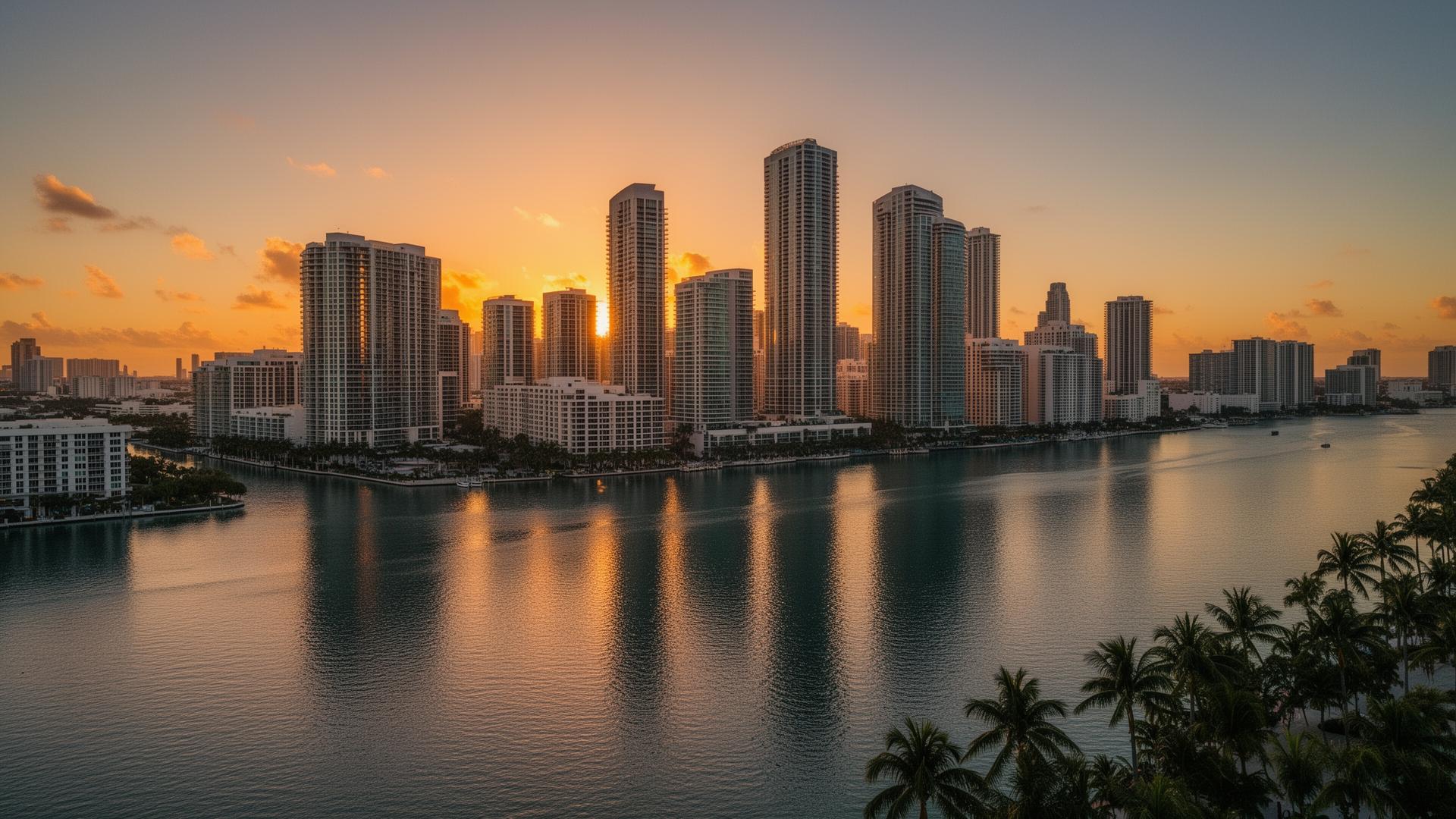
Miami Real Estate Broker — Licensed Brokerage in Miami, Florida
Supreme Capital Real Estate is a fully licensed Miami real estate brokerage where every transaction is conducted under direct broker supervision — ensuring regulatory compliance, fiduciary accountability, and risk mitigation across Brickell, Coral Gables, Miami Beach, and all of Miami-Dade County.
Connect With Our Broker
Expert brokerage guidance — no obligation.
Service Overview
Supreme Capital Real Estate — a licensed Miami real estate brokerage offering expert broker-led services for buying, selling, renting.
What Does a Real Estate Broker Do in Florida?
Under Florida law, a real estate broker holds the broker-level real estate licensure, authorizing them to operate a brokerage firm, supervise licensed sales associates, manage escrow and trust accounts, and bear ultimate legal responsibility for all transactions conducted under their license. The Florida Department of Business and Professional Regulation (DBPR) enforces strict continuing education, ethical conduct, and escrow management standards that every active broker must maintain.
In practice, the broker functions as the regulatory checkpoint for every transaction within a brokerage. This includes reviewing contracts for statutory compliance, ensuring all required property disclosures are delivered within legally mandated timeframes, overseeing earnest money deposits, and intervening when disputes or compliance questions arise. For consumers, this means an additional layer of accountability that does not exist when working with an unsupervised sales associate. Broker oversight is particularly impactful for sellers — as outlined in our analysis of how to prepare a Miami home for sale.
At Supreme Capital Real Estate, broker supervision is applied to listing agreements, purchase contracts and closing documentation as applicable to the transaction. As a Miami real estate brokerage, our agents work under broker supervision as required by Florida law, regardless of transaction size or property type.
Broker vs Real Estate Agent: Key Differences
The distinction between a broker and a sales associate (commonly referred to as an agent) is defined by Florida Statute Chapter 475. A sales associate must operate under a broker's license and cannot independently manage escrow accounts, execute listing agreements in their own name, or bear primary regulatory liability for a transaction. The broker, by contrast, holds the license under which all agents operate and is accountable to the DBPR for the conduct of every associate.
This structural distinction is most consequential in risk scenarios. If a contract dispute arises, if escrow funds are improperly handled, or if a disclosure obligation is missed, the broker bears regulatory and legal liability. This accountability structure is why broker-supervised transactions provide consumers with an additional layer of protection — particularly in Miami-Dade County, where transaction complexity is elevated by international buyer participation, historic preservation regulations, and coastal building codes.
Supreme Capital Real Estate's licensed Miami real estate agents work under direct broker oversight, ensuring that every material decision in a transaction — from offer strategy to closing coordination — receives broker-level review.
Legal Responsibility of a Licensed Broker in Miami
A licensed broker in Miami carries fiduciary obligations that extend beyond what a sales associate can provide. The broker is legally bound to act in the client's best interest, maintain confidentiality, provide full disclosure of material facts, and account for all funds entrusted to the brokerage. These duties are enforceable under Florida real estate law and are subject to DBPR oversight and disciplinary proceedings.
In neighborhoods like Coral Gables, where historic preservation ordinances and deed restrictions add layers of complexity, broker-level legal knowledge prevents costly compliance errors. In Miami Beach, where international buyers require specialized documentation, FIRPTA withholding analysis, and cross-border financing coordination, broker involvement is essential to ensuring lawful and properly structured transactions.
For sellers, the broker reviews every offer, identifies contingency risks, and ensures contract terms protect the client's equity position. For buyers, the broker coordinates due diligence, monitors inspection and financing deadlines, and ensures all contractual obligations are met before disbursement of funds.
Why Broker Oversight Matters in High-Value Transactions
High-value transactions in Miami introduce risks that demand broker-level supervision. Properties in Bal Harbour, Key Biscayne, and Pinecrest frequently involve title encumbrances, HOA litigation disclosures, environmental assessments, and tax implications that require careful legal and regulatory navigation.
Without broker oversight, critical compliance steps can be missed — exposing both parties to financial and legal liability. The broker's role in these transactions includes contract review, escrow management, disclosure compliance verification, and coordination with attorneys, title companies, and lenders to ensure a clean and lawful closing. Understanding how luxury transactions work in Miami helps buyers and sellers appreciate why broker involvement at this level is non-negotiable.
Compliance, Supervision, and Risk Mitigation
Compliance is not a secondary function of a brokerage — it is the foundation. In Florida, the broker is responsible for maintaining accurate transaction records, managing escrow accounts in accordance with FREC rules, ensuring all required disclosures are delivered within statutory timeframes, and supervising the professional conduct of every sales associate operating under their license.
In Miami-Dade County, additional risk factors include flood zone designations, wind mitigation requirements, post-Surfside condo safety legislation (SB 4-D structural inspection requirements), and foreign buyer tax withholding obligations under FIRPTA. A competent broker identifies these risks at the outset, advises clients on their implications, and structures contracts to mitigate exposure.
Whether you need expert guidance to sell your Miami home or strategic representation to buy property, Supreme Capital Real Estate's broker-led model supports regulatory precision at each step.
Our broker also oversees every home valuation we deliver, so pricing recommendations are grounded in verifiable market data rather than agent estimates.
Watch Our Latest Video
Related Miami Real Estate Services
Miami Real Estate Agents
Meet our experienced team of licensed Miami real estate agents who specialize in every neighborhood across Miami-Dade County.
Miami Real Estate Company
Learn about Supreme Capital Real Estate's firm structure, representation standards, and full-service capabilities across Miami.
Miami Real Estate Market
Current market data, pricing trends, and neighborhood-level analysis to inform your real estate decisions.


Expert Guides From Our Brokerage
Ultimate Guide to Buying Property in Miami
Broker-level guidance for every step of the buying process.
How to Prepare Your House for Sale
Strategic pricing and marketing guidance from our licensed brokerage team.
New Construction in Miami
Broker representation for pre-construction purchases in Brickell and Edgewater.
Miami Luxury Condos & Waterfront Mansions
High-value transaction expertise for luxury properties.
Cash Buyers vs. Listing Agent
Understanding your selling options with broker-level analysis.
Miami Market Trends Explained
Data-driven market reports from our brokerage research team.
FAQs About Real Estate Brokers in Miami
A real estate broker in Miami holds an advanced Florida license that authorizes them to operate a brokerage, supervise licensed sales associates, manage escrow and trust accounts, and bear ultimate legal responsibility for every transaction conducted under their license. Unlike a sales associate, a broker can represent clients independently and is accountable to the Florida Department of Business and Professional Regulation (DBPR) for all activity within their firm.
In practice, the broker reviews every contract, ensures statutory disclosure requirements are met, oversees earnest money deposits, and intervenes when disputes or compliance issues arise. This supervisory layer is especially critical in Miami-Dade County, where transactions frequently involve international buyers, complex financing structures, and properties subject to historic preservation or coastal building regulations in areas like Coral Gables and Miami Beach.
At Supreme Capital Real Estate, broker oversight is applied across the transaction, from listing agreement execution through post-closing coordination, supporting regulatory compliance and fiduciary accountability at every step.
Under Florida Statute Chapter 475, a real estate sales associate (commonly called an agent) must operate under the supervision of a licensed broker. The sales associate can show properties, negotiate offers, and facilitate transactions, but all contractual and escrow obligations flow through the broker's license. The broker holds the higher-level credential, having completed additional coursework, passed a separate state examination, and met minimum experience thresholds.
The practical distinction matters most in risk scenarios: if a contract dispute arises, if escrow funds are mishandled, or if a disclosure obligation is missed, it is the broker who bears regulatory and legal liability. This accountability structure is why broker-supervised transactions carry an additional layer of consumer protection that agent-only arrangements do not provide.
Supreme Capital Real Estate's Miami real estate agents operate under direct broker supervision, meaning every listing agreement, purchase contract, and closing document undergoes broker-level review before execution.
To obtain a broker's license in Florida, a candidate must hold an active sales associate license for at least 24 months, complete 72 hours of pre-license broker education from an approved institution, and pass the Florida broker examination administered by the DBPR. Additionally, brokers must complete 60 hours of post-license education within their first renewal period and maintain 14 hours of continuing education every two years thereafter.
The DBPR also requires brokers to maintain errors and omissions insurance, adhere to strict escrow account management rules under Florida Administrative Code 61J2, and comply with all federal fair housing regulations. These requirements establish knowledge, regulatory accountability, and consumer-protection standards for complex real estate transactions.
You can verify any Florida broker's license status directly through the DBPR public records portal.
High-value transactions in Miami — particularly those involving luxury estates, waterfront properties, and pre-construction condominiums — introduce layers of complexity that exceed what a standard sales associate can safely manage alone. Issues such as title encumbrances, HOA litigation disclosures, foreign investment reporting (FIRPTA), and 1031 exchange coordination require broker-level expertise and regulatory authority to navigate properly.
Without broker oversight, critical compliance steps can be missed. A broker reviews every material disclosure, ensures contract contingencies protect the client's interests, and manages escrow disbursements in accordance with Florida law. In neighborhoods like Brickell and Bal Harbour, where transaction values regularly exceed $1 million, this oversight is not optional — it is essential.
Supreme Capital Real Estate's broker personally reviews every transaction file before closing, providing an institutional-grade compliance layer that protects both buyers and sellers from preventable legal exposure.
Compliance and risk mitigation are core functions of a licensed broker. In Florida, the broker is responsible for maintaining accurate transaction records, managing escrow accounts in compliance with FREC rules, ensuring all required property disclosures are delivered within statutory timeframes, and supervising the conduct of every sales associate operating under their license.
In Miami specifically, additional risk factors include flood zone designations, wind mitigation requirements, condo association financial health assessments (particularly post-Surfside legislation), and foreign buyer tax withholding obligations. A competent broker identifies these risks early in the transaction, advises clients accordingly, and structures contracts to mitigate exposure.
At Supreme Capital Real Estate, our broker maintains a compliance checklist for every transaction type — from single-family homes in Pinecrest to luxury condominiums in Key Biscayne — ensuring nothing falls through the cracks.
Brokerage fees in Miami typically range from 5% to 6% of the sale price for residential transactions, split between the listing brokerage and the buyer's brokerage. Some brokerages offer tiered commission structures, flat-fee arrangements, or negotiated rates for high-value properties. The specific fee structure should be clearly outlined in the listing agreement, which the broker is legally required to execute before marketing a property.
It is important to understand that the broker's fee covers not just the agent's commission but also the brokerage's overhead — including compliance supervision, errors and omissions insurance, marketing infrastructure, escrow management, and transaction coordination. These services provide measurable value, particularly in complex or high-stakes transactions.
Supreme Capital Real Estate offers transparent, competitive pricing with no hidden fees. Request a home valuation to understand your property's market position and potential net proceeds before listing.
While developers have their own in-house sales teams, those representatives work for the developer — not for you. An independent broker provides buyer-side representation, reviewing the developer's contract (which is typically drafted in the developer's favor), negotiating upgrades and pricing, analyzing the developer's financial disclosures, and ensuring that deposit structures comply with Florida condominium law.
In Miami's active pre-construction market — particularly in Brickell, Edgewater, and Downtown Miami — broker representation is critical for protecting your deposit and ensuring the unit you receive matches what was promised. A broker also monitors construction timelines and milestone deadlines that trigger contractual obligations.
Having an independent broker costs the buyer nothing in most new construction scenarios — the developer pays the co-broke commission. There is no financial reason to proceed without professional representation.
The Florida DBPR maintains a publicly accessible database where consumers can verify any broker's or agent's license status, view their license history, and check for any disciplinary actions or complaints. This is an essential step before entering into a listing agreement or buyer representation contract with any brokerage.
When verifying a broker's credentials, confirm that their license is in "active" status, that they hold a broker (not just sales associate) license, and that there are no pending disciplinary proceedings. You can also verify whether the broker maintains the required errors and omissions insurance coverage through their brokerage registration.
Supreme Capital Real Estate encourages all consumers to verify credentials before engaging any real estate professional. Florida brokerage and agent license status can be verified through the DBPR public records portal. Transparency and regulatory compliance are foundational to how we operate.